
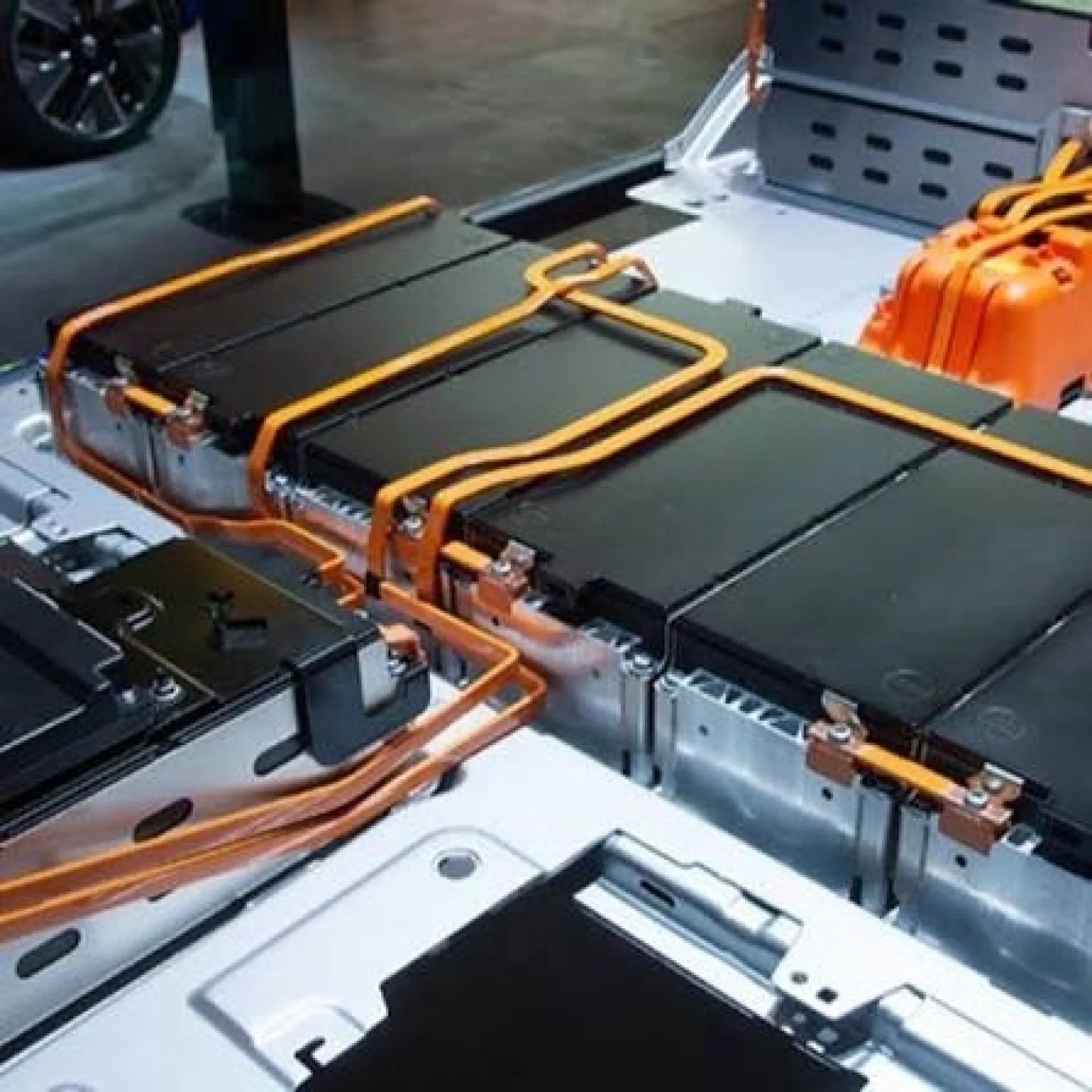
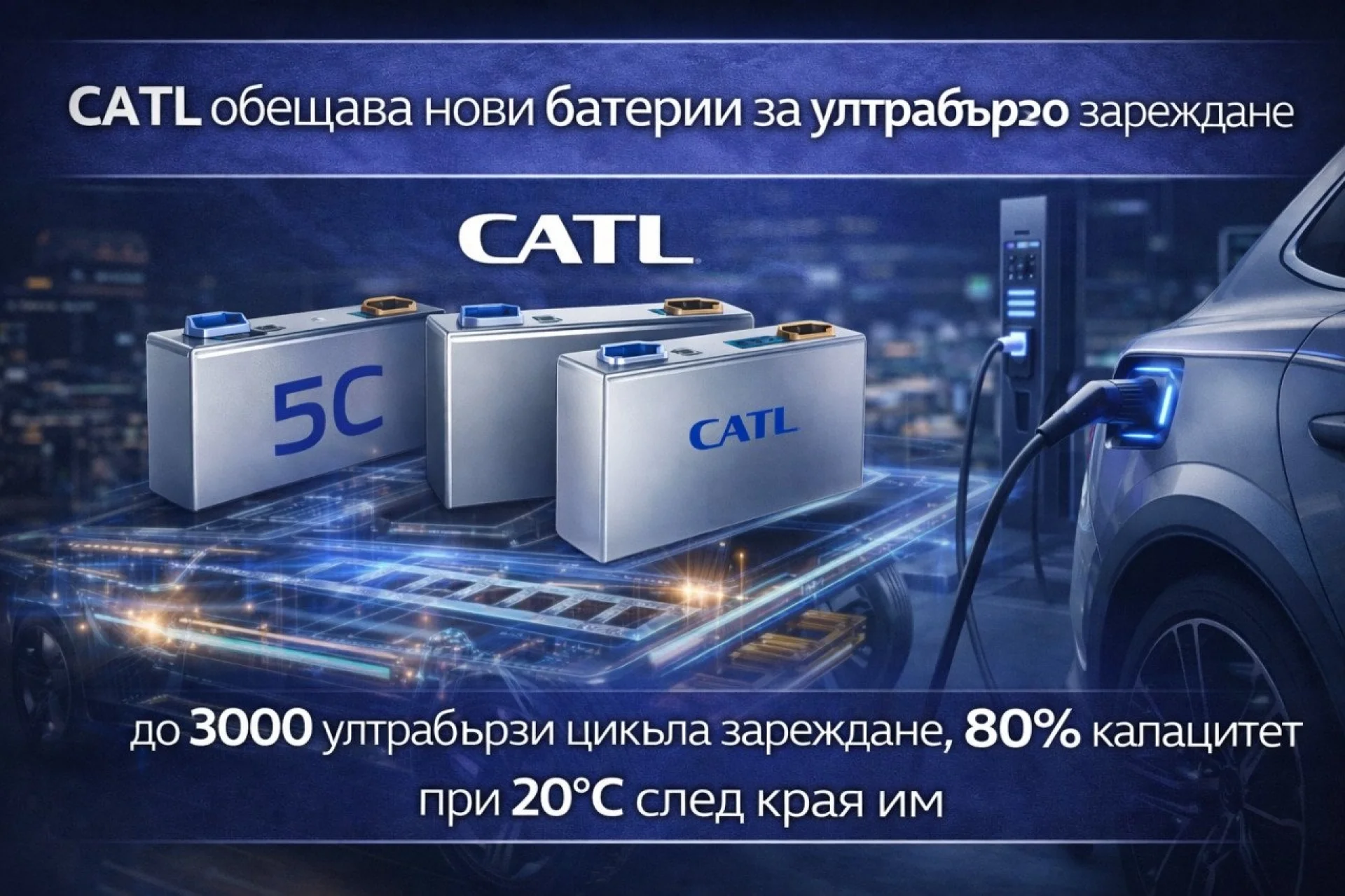
Part 2: LFP vs. NMC – which technology is better and why?In the world of electric vehicles, you will most often encounter two main types of lithium-ion batteries – LFP (Lithium Iron Phosphate) and NMC (Nickel Manganese Cobalt). Choosing between them is one of the most important topics when it comes to electric vehicle battery life, safety, range and operating costs. Many drivers believe that all electric vehicle batteries are the same. In reality, the differences between LFP and NMC are significant and directly affect the long-term reliability of the vehicle. What is an LFP battery? LFP (Lithium Iron Phosphate) uses lithium, iron and phosphate as the main materials in the cathode. It is a technology that has emerged as the preferred choice for many manufacturers in recent years, especially in China. Among the most famous brands using LFP batteries are: BYD Tesla (part of Model 3 and Model Y) MG Geely Leapmotor Dongfeng The manufacturer CATL also develops some of the most advanced LFP batteries, which are used by dozens of automotive companies around the world. Main advantages of LFP batteries 1. Extremely long service life This is the biggest advantage of LFP technology. With proper operation, such a battery for an electric vehicle can withstand between 3,000 and over 6,000 full charging cycles, and in some applications - even more. In practice, this means that the car can travel: over 500,000 kilometers; in some models - over 800,000 kilometers; in certain cases - more than 1 million kilometers without the need to replace the battery. 2. Lower degradation One of the reasons why more and more manufacturers are switching to LFP is the slower capacity loss over time. After years of operation, the battery retains a higher State of Health (SOH) compared to most NMC batteries under similar conditions. 3. Significantly higher safety LFP batteries are more resistant to: overheating; mechanical damage; thermal runaway; self-ignition. This makes them particularly suitable for family cars, taxi fleets and intensive daily use. 4. Charging up to 100% In most cars with LFP batteries, manufacturers allow daily charging up to 100%, without this significantly affecting the durability. This is a serious advantage for drivers who use the entire available range every day. Disadvantages of LFP Despite its many advantages, the technology also has some limitations. Lower energy density To achieve the same range, an LFP battery usually has to be larger and heavier than an NMC. This increases the weight of the vehicle. Poorer performance at very low temperatures In extreme cold, LFP batteries can temporarily reduce power and charging speed until they reach optimal operating temperature. What is an NMC battery? NMC stands for Nickel Manganese Cobalt. This is the technology used by a large number of European, American and Korean manufacturers. Among them are: BMW Mercedes-Benz Audi Volkswagen Hyundai Kia Volvo Porsche some Tesla models Advantages of NMC batteries Higher energy density This is their strongest quality. At the same weight, an NMC battery stores more energy. The result is: longer range; lower weight; better vehicle dynamics. This is why most luxury electric cars use NMC cells. Excellent performance at low temperatures NMC batteries generally perform better in cold climates. They retain higher power and allow faster DC charging in winter. Higher peak power In sports electric cars, NMC technology provides very high power output values. That is why almost all high-performance models use this type of cell. Disadvantages of NMC The main disadvantage is faster degradation in case of improper operation. Particularly unfavorable are: frequent charging to 100%; prolonged stay at maximum charge; repeated use of ultra-fast DC charging stations; operation at high temperatures. For this reason, most manufacturers recommend that NMC batteries be charged to about 80–90% for daily use, and 100% to be used mainly on long trips. LFP vs NMC – direct comparison Characteristics LFP NMC Battery life ⭐⭐⭐⭐⭐ ⭐⭐⭐⭐ Degradation Very low Low to medium Safety ⭐⭐⭐⭐⭐ ⭐⭐⭐⭐ Mileage ⭐⭐⭐⭐ ⭐⭐⭐⭐⭐⭐ Winter operation ⭐⭐⭐ ⭐⭐⭐⭐⭐⭐ Weight Larger Lower Price More affordable Higher Daily charging to 100% Yes Not recommended Which technology does Tesla choose? An interesting fact is that Tesla uses both types of batteries. LFP They are usually installed in the standard versions of the Model 3 and Model Y. The advantage is the extremely long service life. NMC They are used in Long Range and Performance models, where the main priority is maximum range and high power.
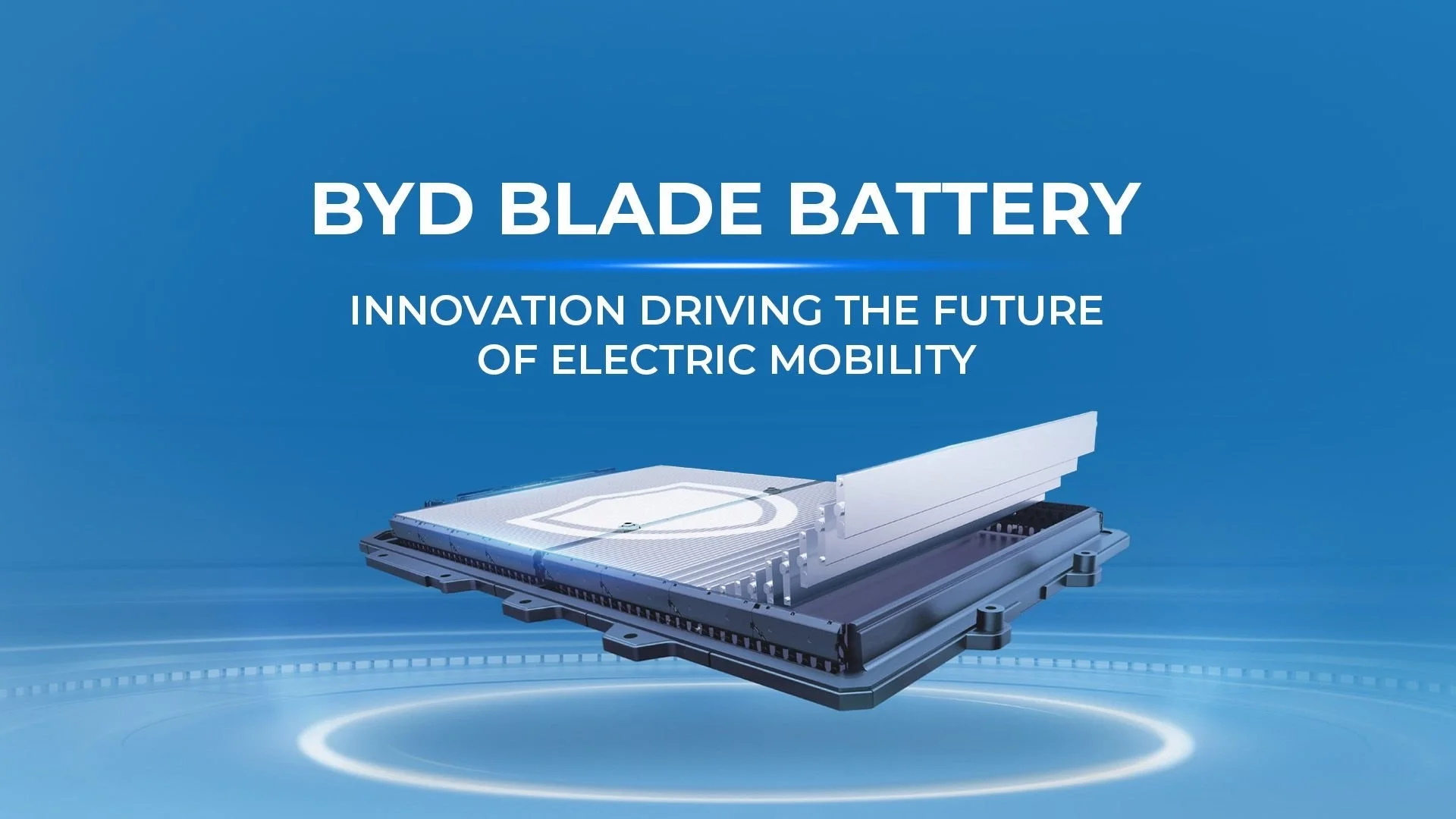
Why did BYD choose LFP? BYD developed its own Blade Battery based on LFP technology. There are several reasons: high safety; very long life; lower cost; the ability to charge up to 100% daily; low degradation. This is one of the reasons why the company has become the largest electric vehicle manufacturer in the world in terms of total number of electrified vehicles produced. Which battery is better for a used electric vehicle? If you are planning to buy a used electric vehicle, the choice depends on how you will use the vehicle. LFP is an excellent choice if: you drive a lot of kilometers per year; you charge the vehicle daily; you are looking for the longest possible service life; you plan to keep the vehicle for a long period. NMC is better suited if: you want maximum mileage; you often travel long distances; you want high power and dynamics; you use the car in cold climates. Conclusion If the main criterion is the battery life of an electric vehicle, LFP technology has a clear advantage. It offers lower degradation, higher safety and the possibility of a higher number of charging cycles. However, if you are looking for maximum range, low weight and high performance, NMC remains the preferred choice for many premium models. Regardless of the technology, when buying a used electric vehicle, professional diagnostics are the most important. A SOH (State of Health) check, an analysis of the actual capacity and an assessment of the battery management system give a much more accurate picture of the condition of the vehicle than the displayed range alone.
   |




 Installation, service and diagnostics
  Free delivery over 120 €




