
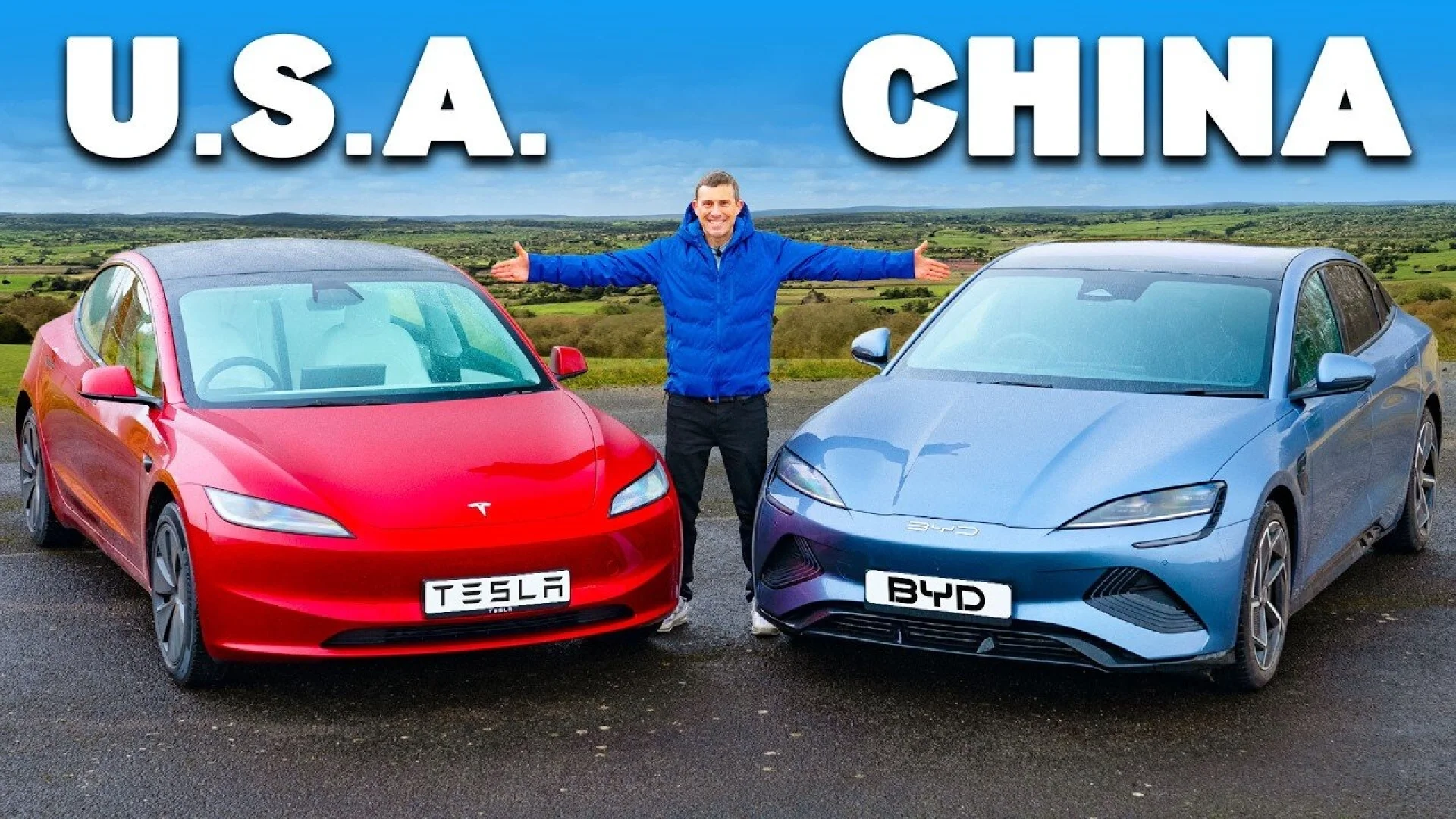
Part 3: Which electric cars have the longest-lasting batteries? Comparison between BYD, Tesla, Hyundai, Kia, BMW, Mercedes-Benz, Volkswagen, Audi, Volvo, MG, Zeekr and XPengAfter examining the basic technologies of electric vehicle batteries, the question naturally arises: which manufacturers offer the most reliable electric vehicles? The answer is not unambiguous. The durability of the battery depends not only on the chemical composition of the cells, but also on the quality of cooling, management software (BMS), charging method and operating conditions. However, there is already enough real data from cars that have traveled hundreds of thousands of kilometers to make an objective comparison. BYD – the new world leader in batteries In recent years, BYD has become one of the largest manufacturers of electric vehicles and batteries in the world. Unlike many competitors, the company develops and manufactures the batteries, electric motors and a large part of the electronics itself. The main advantage is the Blade Battery, based on LFP technology. Advantages very low degradation; excellent protection against overheating; the ability to charge up to 100% daily; very long service life; low maintenance costs. With proper operation, the battery is expected to exceed 500,000 kilometers, and in many cases significantly more. Suitable for: family cars; taxi companies; company fleets; drivers with high annual mileage. Tesla - a leader in battery management Tesla remains the benchmark in terms of software and efficient battery management. The company uses various suppliers: CATL; Panasonic; LG Energy Solution. Depending on the model, Tesla uses both LFP and NMC batteries. Advantages extremely efficient BMS; intelligent temperature management; low degradation; excellent efficiency. Many Tesla cars have already traveled over 400,000–600,000 kilometers without having to replace the main battery. Hyundai - one of the most reliable brands Hyundai has built an excellent reputation with the models: Kona Electric; Ioniq 5; Ioniq 6. The company uses batteries from LG Energy Solution and SK On. Advantages excellent cooling; low degradation; very good winter performance; reliable electronics. Hyundai cars often show minimal capacity loss even after over 200,000 kilometers. Kia – the same technology with a different design Kia uses almost identical battery technologies as Hyundai. The EV6 and EV9 models are among the best-rated electric vehicles in terms of reliability. The stable operation of the 800-volt electrical architecture is particularly impressive. BMW – premium quality BMW uses high-quality cells from CATL, Samsung SDI and other leading suppliers. The main advantages are: excellent temperature control; precise BMS; stable operation under high loads. The disadvantage is that after the warranty period, repairs can be significantly more expensive. Mercedes-Benz – comfort and safety Mercedes places a strong emphasis on safety. The batteries are protected by sophisticated cooling systems and numerous protection algorithms. The EQE and EQS models show very good results in long-term operation. However, service costs are among the highest in the segment. Volkswagen – serious progress The first generations of Volkswagen electric vehicles had some software problems. After numerous updates, the ID.3 and ID.4 models now demonstrate good reliability. Their main advantages are: quality batteries; good BMS; accessible service network. Audi – premium-level reliability Audi uses similar technologies to Volkswagen, but adds higher quality materials and better noise insulation. The e-tron and Q8 e-tron models are distinguished by: efficient cooling; stable charging; good residual value. The disadvantage is again the cost of repairs after the warranty expires. Volvo – safety remains a priority Volvo uses batteries from CATL and LG. The company is known for its conservative BMS settings. This means: less strain on the cells; lower degradation; longer battery life. MG – a pleasant surprise MG, owned by SAIC Motor, has established itself as one of the fastest growing brands in Europe. The MG4 model is particularly successful. Its advantages are: good quality; reliable LFP versions; low operating costs; affordable price. Zeekr – Chinese premium Zeekr is part of the Geely Group. The company uses the latest developments from CATL. Advantages: very high quality; excellent battery management; fast charging; modern electronics. The brand is still relatively new on the European market, but the first results are promising. XPeng – strong focus on technology XPeng is investing heavily in autonomous driving and software. The batteries are distinguished by: low degradation; effective cooling; good performance. The brand is expected to occupy an increasingly important place in the European market.
Real battery degradation
It is important to emphasize that degradation depends on the way of operation. The data below are indicative and based on numerous observations, and not guaranteed values for each vehicle.
Brand Expected degradation after approximately 200,000 km*
BYD 5–10%
Tesla 8–12%
Hyundai 8–12%
Kia 8–12%
BMW 10–15%
Mercedes-Benz 10–15%
Audi 10–15%
Volkswagen 10–15%
Volvo 8–12%
MG 8–12%
Zeekr 5–10%
XPeng 5–10%
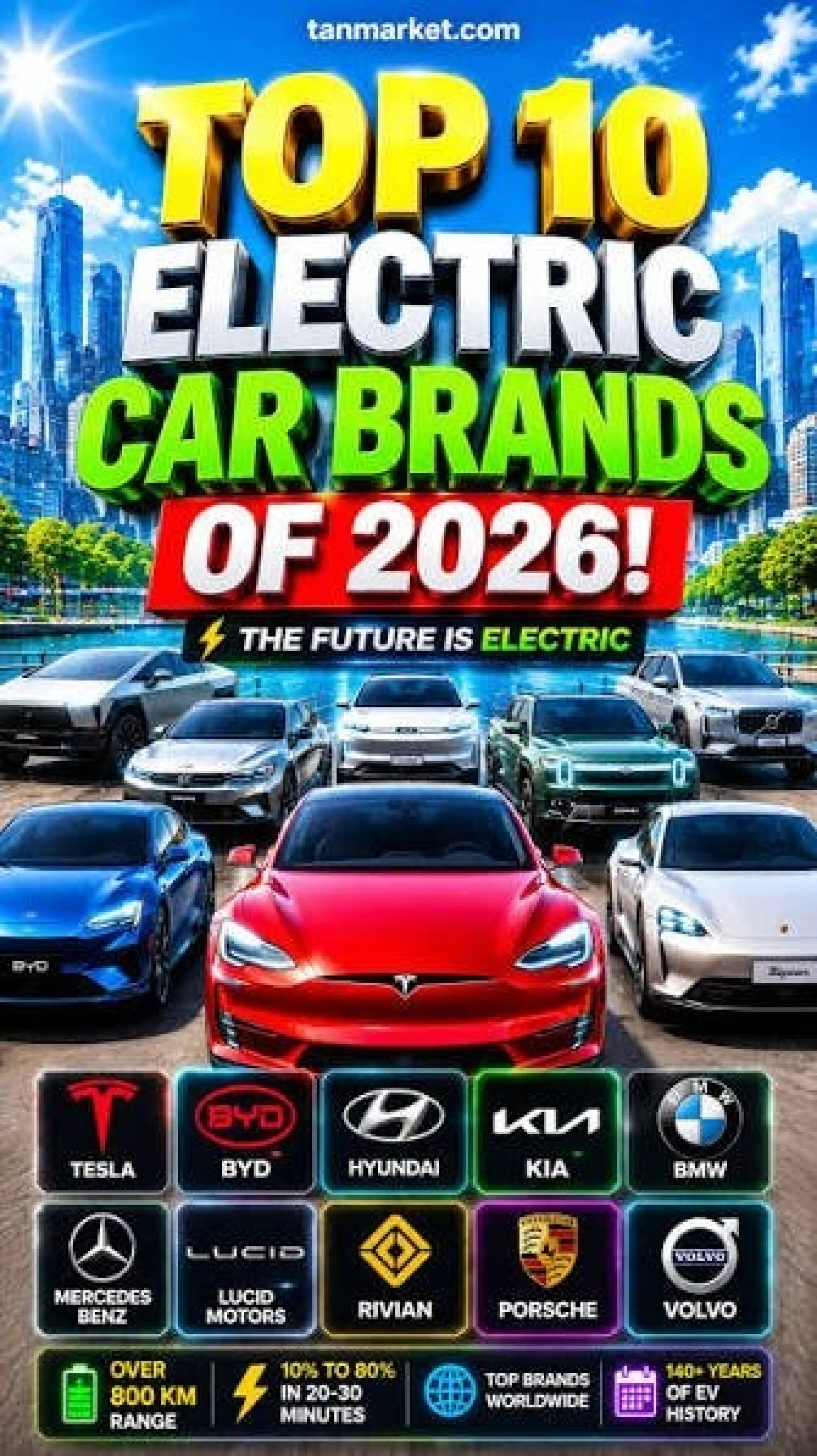
*The values are indicative and may vary depending on the model, battery chemistry, climatic conditions, driving style and charging method. Indicative annual operating costs For electric vehicles, regular maintenance usually includes: air conditioning filter; brake fluid; coolant (according to the manufacturer's instructions); suspension check; high-voltage system diagnostics; 12-volt battery check. On average, these costs are significantly lower than for cars with an internal combustion engine. However, it is important to monitor the condition of the battery and electronic systems, especially after the warranty expires. Ranking of the most reliable electric vehicles Based on the technologies used, battery management and real-world operating experience, the following general ranking can be built: BYD Tesla Hyundai Kia Zeekr Volvo BMW MG Mercedes-Benz Audi Volkswagen XPeng This arrangement does not mean that the models at the end of the list are unreliable. The differences between the leading manufacturers are becoming smaller, and the quality of modern batteries is constantly improving. What does this mean for the buyer? If you are looking for the longest battery life for an electric vehicle, pay attention not only to the brand, but also to: the battery chemistry (LFP or NMC); the presence of an effective cooling system; the warranty terms; the charging and service history; professionally measured SOH (State of Health). These factors are more important than the logo on the hood of the car.
  |




 Installation, service and diagnostics
  Free delivery over 120 €




