
Registration of an AGM battery in the car via BEM codeThe correct BEM code for battery replacement In modern vehicles, the battery is not only needed to start the engine. It has become an integral part of the ever-increasing complexity of the vehicle electronics. There is no modern vehicle that does not have the well-known comfort functions such as air conditioning, entertainment systems, heated seats, electric windows, etc., which are widely appreciated by drivers and passengers, and which must also function during start-stop events. In addition, the latest generation of vehicles is increasingly equipped with safety-related driver assistance systems such as lane keeping assist, automatic distance control or brake assist and other functions. Vehicle manufacturers use advanced battery management systems that constantly monitor the condition of the battery to ensure the necessary availability of these comfort and safety functions.
If the battery now needs to be replaced, it must be reprogrammed in the vehicle's energy management system. Why is this important? An old, worn-out battery shows different trends in terms of available capacity, energy output and charge acceptance compared to a new, unused battery. The battery management system (BMS) together with the electronic battery sensor (EBS) monitors the condition of the battery throughout its entire service life. For example, it records the number of starts and the energy flow (capacity in Ah), monitors the state of charge, controls charging and adjusts the battery's energy management over time depending on its condition. If reprogramming is not carried out correctly, it can lead to a restriction or even failure of the start-stop function, which can cause increased fuel consumption and a restriction of comfort functions.
Different ways to code the battery Currently, we see in the market that OE car manufacturers follow different strategies for reprogramming new batteries into the BMS of their vehicles. SELF-TRAINING: The first group includes self-learning systems. In these, the BMS is supplied with only one or a few pre-programmed battery variants for each vehicle, which the BMS will use as a reference. After the battery is replaced, the BMS compares the performance of the new battery with the battery reference values stored in the BMS memory for a certain period of time and determines which of the stored reference values corresponds to the actual measured performance. OEs that follow this strategy are, for example, Abarth, Alfa Romeo, Chevrolet (Daewoo), Citroen, Dacia, Fiat, Honda, Lancia, Mercedes, Mitsubishi, Peugeot, Renault, Subaru, Suzuki, Toyota and Volvo. REGISTRATION WITH DIAGNOSTIC TOOL: The second group of OE vehicle manufacturers requires active registration of the new replacement battery in the vehicle's BMS and the use of a diagnostic tool for reprogramming. To give some examples we can mention Alpina, Audi, BMW, Jaguar, Jeep, Land Rover, Mazda, Mini, Seat, Skoda and Volkswagen. In this group some vehicle manufacturers, such as the VAG and BMW concerns, require a code to register the new battery when replacing. The codes are not only OE specific but also battery specific.
The VAG-specific BEM code is actually a two-line code. The first line contains the OE spare part number. This number is different for the OES channel (i.e. 000915105DG) and OEM (i.e. 4F0915105E) but is limited to the number of different battery types that VAG uses. The second line encodes the battery manufacturer, the battery production date and contains a part that makes this code specific. NOTE: The QR code printed on VARTA® AGM and EFB batteries is for internal use only. It does not contain the same information as the OE BEM code and therefore cannot be used as a substitute for the OE BEM code for registering new batteries in VAG vehicles. Depending on the IAM diagnostic tools, some of them require the BEM code for battery replacement. In this case, for VAG, both lines of the BEM code of the new battery need to be entered.
The VAG-specific BEM code is actually a two-line code. The first line contains the OE spare part number. This number is different for the OES channel (i.e. 000915105DG) and OEM (i.e. 4F0915105E) but is limited to the number of different battery types that VAG uses. The second line encodes the battery manufacturer, the battery production date and contains a part that makes this code specific. NOTE: The QR code printed on VARTA® AGM and EFB batteries is for internal use only. It does not contain the same information as the OE BEM code and therefore cannot be used as a substitute for the OE BEM code for registering new batteries in VAG vehicles. Depending on the IAM diagnostic tools, some of them require the BEM code for battery replacement. In this case, for VAG, both lines of the BEM code of the new battery need to be entered.
Other diagnostic tools such as Hella Gutmann or BOSCH KTS create the necessary battery specific information using drop-down options. Entering the BEM code is not necessary. You only need to select the capacity, manufacturer and technology. The required serial number is for tracking purposes only. Any 10-digit number can be entered. The following example shows coding a battery in a Škoda KODIAQ 1.5 TSI using a BOSCH KTS diagnostic tool. After selecting the vehicle, you need to select the battery replacement method from the menu and use the correct parameter from the drop-down menu. By performing this process, the battery consumption counter monitored in the BMS will be reset. Regarding battery capacity and technology, we always recommend a ‘like for like’ or ‘better for like’ replacement. Never reduce the size of the replacement battery! Almost the same procedure applies when using the Hella Gutmann diagnostic tool.
If you are using VCDS to replace a battery in VAG vehicles or vehicles using VW technology, there is a slightly different procedure depending on whether the vehicle is equipped with control unit 61. In this case you need to select control unit ’61 battery control’ and then the correct menu path. Here you can enter the required OE spare part number and the 10-digit serial number. As we recommend a ‘like for like’ replacement, you can stay with the original OE spare part number if you are replacing the original battery with the same technology and performance. Minor deviations in the ratings are not a problem. If you are replacing ‘better for like’, you should take the OE spare part number corresponding to the new battery selected. Any 10-digit number can be used for the required serial number. Alternatively, it is also possible to reprogram the new battery in the vehicle’s BMS by manually selecting the battery parameters. The approach is largely similar to that of BOSCH KTS or Hella Gutmann tools.
www.varta-automotive.com 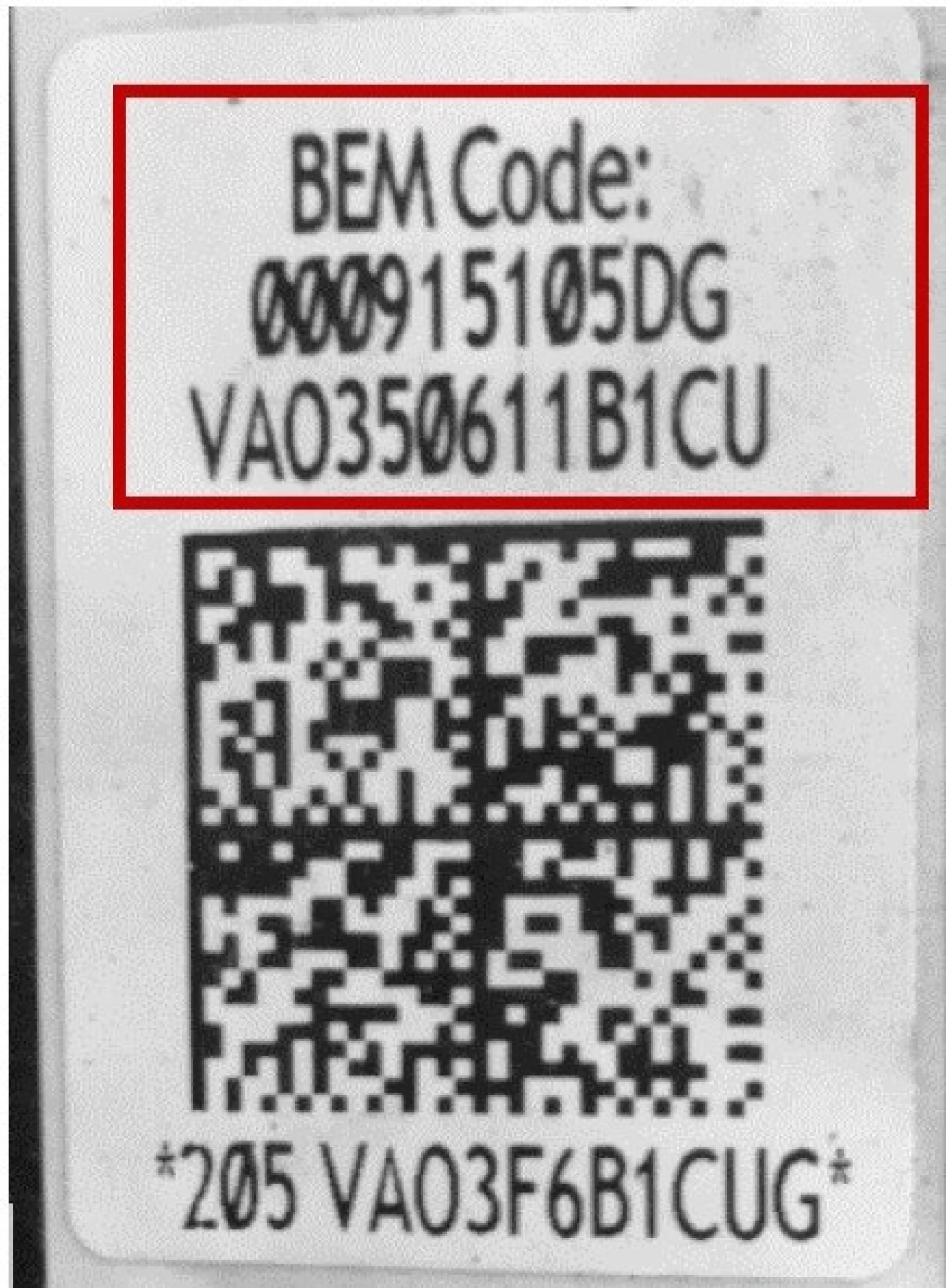 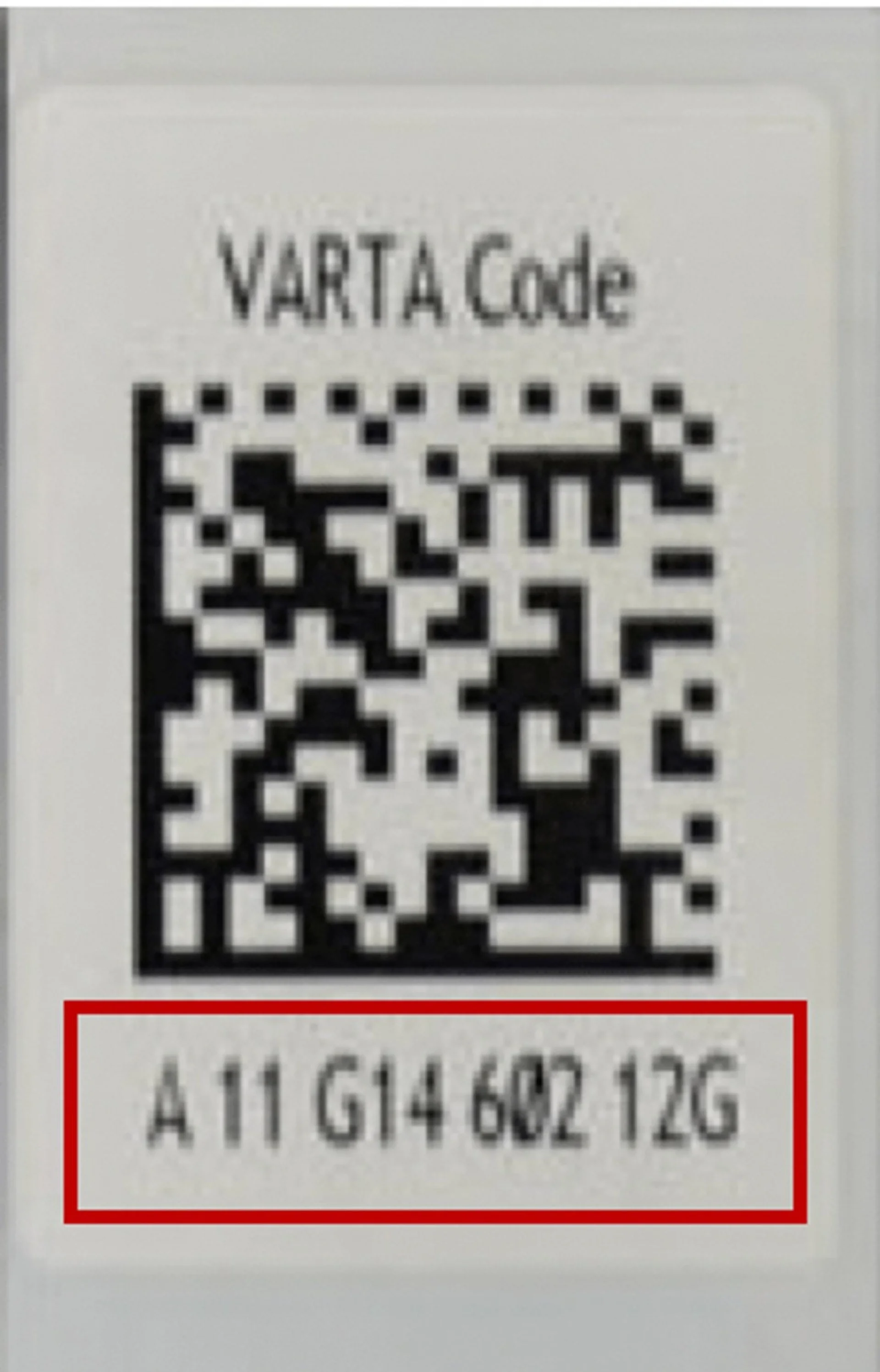 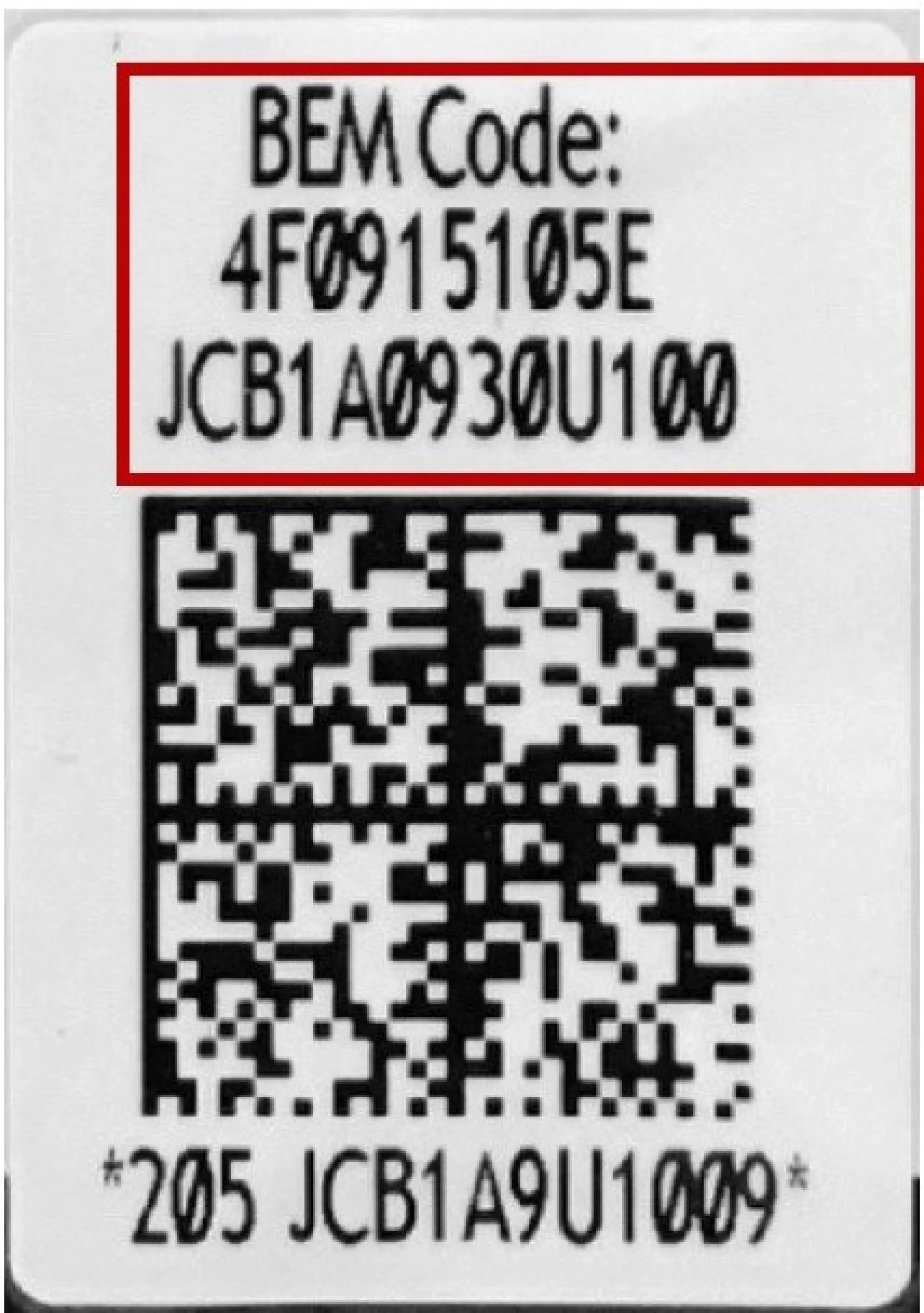 |




 Installation, service and diagnostics
  Free delivery over 120 €




