
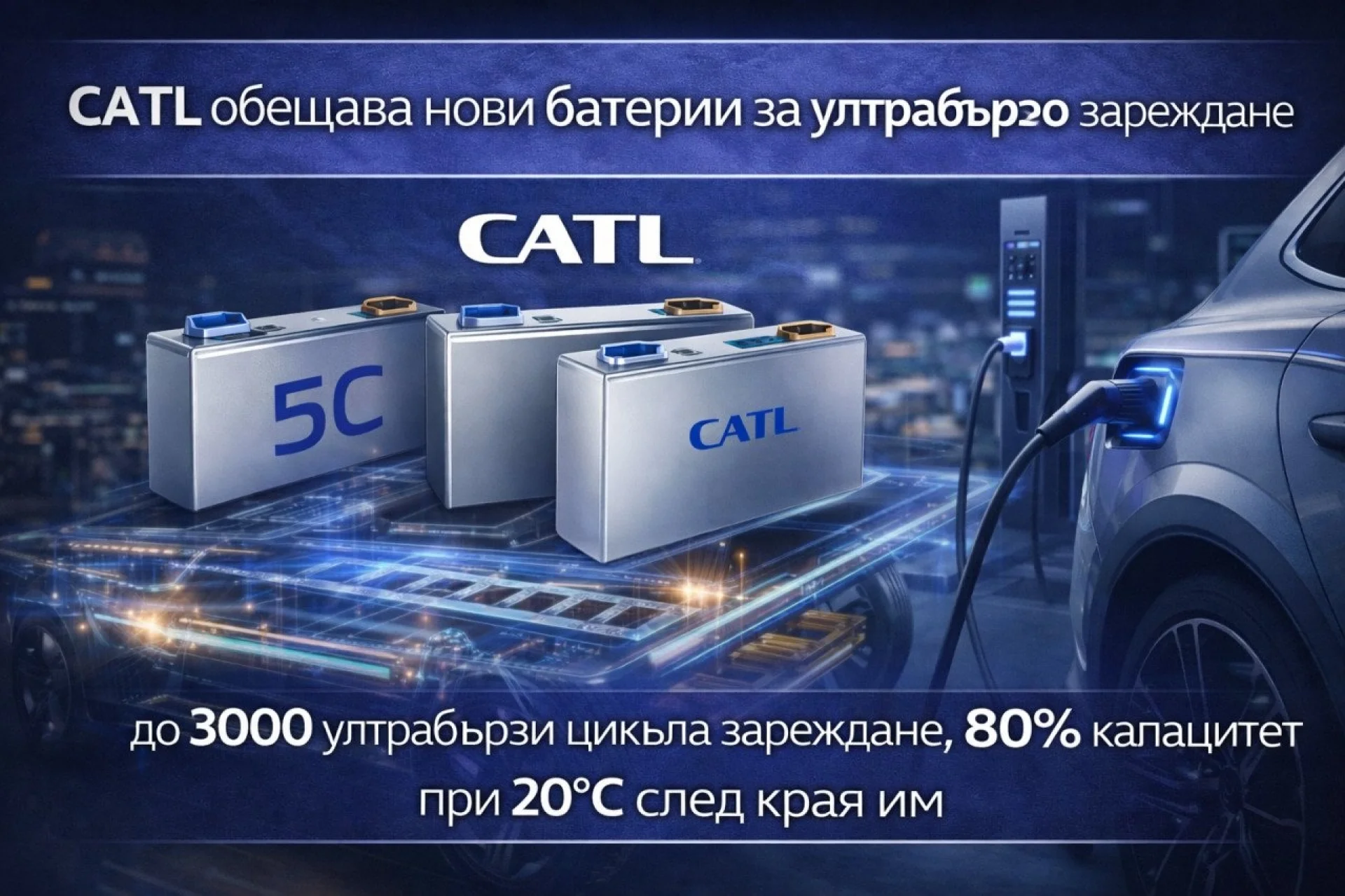
Technologies and developments in lithium-ion batteries for electric vehicles.Electric cars are no longer a technology of the future, but a reality that is changing the automotive industry. At the heart of this transformation are lithium-ion batteries – a key component that determines the range, charging speed, safety and cost of electric vehicles. In recent years, the development of battery technology has accelerated at an extraordinary pace. Manufacturers are investing billions in new chemistries, faster charging and longer battery life, which is gradually making electric vehicles more affordable and practical. How do lithium-ion batteries work? Lithium-ion batteries store energy by moving lithium ions between an anode and a cathode. Their main advantages are: high energy density; low weight; ability to be quickly charged; long service life; lack of “memory effect”. These characteristics make them the most suitable solution for electric vehicles. Main types of batteries in electric vehicles LFP batteries (Lithium Iron Phosphate) LFP batteries are becoming increasingly popular due to: lower cost; high safety; longer life; resistance to repeated charging. Their disadvantage is the lower energy density, which means less range compared to some premium technologies. NMC batteries (Nickel Manganese Cobalt) These are the high energy density batteries used in many high-mileage cars. They offer: longer range; high performance; good efficiency during rapid acceleration. The disadvantages are the higher cost and the dependence on rare metals such as cobalt and nickel. Major technological breakthroughs Faster charging One of the industry's biggest goals is to reduce charging time. New generations of batteries now allow charging from 10% to 80% in about 15 minutes at suitable stations. Companies like CATL are developing batteries with ultra-fast charging and improved temperature resistance. Solid-State Batteries Solid-state batteries are considered the next big revolution in electric vehicles. In them, the liquid electrolyte is replaced with a solid material, which brings: higher safety; lower risk of ignition; higher energy density; longer life; shorter charging time. Toyota and other manufacturers are already actively working on implementing solid-state technologies in production cars around 2027–2028. Sodium-ion batteries – the new alternative In addition to lithium-ion technologies, the industry is also paying serious attention to sodium-ion batteries. They offer: lower price; cheaper raw materials; better performance at low temperatures; less dependence on lithium and cobalt. According to the International Energy Agency (IEA), sodium-ion batteries can become an important alternative for mass-produced electric vehicles and energy storage systems. In recent years, CATL introduced the first mass-produced sodium-ion batteries with a range of about 500 km. Safety and durability Modern batteries now have intelligent systems for: temperature control; overcharge protection; cell management; real-time monitoring. Manufacturers are also working on new electrolytes and anti-overheating systems that significantly reduce the risk of fires. What awaits us in the future? The development of batteries will lead to: lower prices for electric vehicles; ranges of over 1000 km; charging in under 10 minutes; longer battery life; more environmentally friendly production. Artificial intelligence and intelligent battery management systems are also starting to play an increasingly important role in optimizing the performance and life of battery packs. Conclusion Lithium-ion batteries remain the heart of electric mobility. Although the technology is still developing, progress in recent years has been enormous. Faster charging, solid-state solutions and new sodium-ion technologies mean that electric vehicles will become increasingly efficient, more affordable and more reliable. The next decade will likely bring the biggest revolution in the automotive industry since the invention of the internal combustion engine.
 |




 Installation, service and diagnostics
  Free delivery over 120 €




